
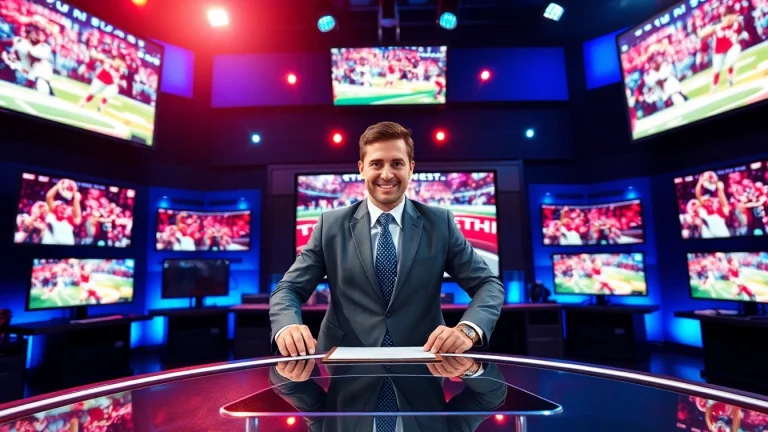
Understanding the Role of Sports Broadcasting
Defining Sports Broadcasting
Sports broadcasting encompasses the dissemination of sports events and related content through various media channels, primarily aiming to entertain, inform, and engage audiences. This sector combines audio and visual elements to provide real-time coverage of sports events, commentary from experts, analysis, and post-match discussions. The evolution of technology has expanded the mediums through which sports broadcasting is delivered, enhancing the overall viewer experience.
Historical Evolution of Sports Broadcasting
The origins of sports broadcasting can be traced back to the early 20th century, primarily through radio broadcasts of significant events such as baseball games. Over the decades, the medium began to shift towards television, first gaining major traction in the 1950s. Iconic broadcasts like the “Game of the Century” between the New York Yankees and Brooklyn Dodgers brought sports into living rooms nationwide. The internet and digital streaming have revolutionized the field in recent years, allowing real-time updates, highlights, and live streaming of events globally.
Importance of Sports Broadcasting in Today’s Media Landscape
In today’s hyper-connected world, Sports Broadcasting is pivotal not only for building community and engagement among fans but also for driving significant revenue through advertising and sponsorship deals. It serves as a primary source of entertainment for millions, significantly impacting sports marketing strategies, fan engagement, and even athletic performance by providing wider audiences for athletes and teams.
Key Components of Successful Sports Broadcasting
Essential Equipment for Sports Broadcasting
Successful sports broadcasting relies heavily on specialized equipment. Cameras capable of high-definition recording are essential to capture every detail of the action. Production teams often utilize multiple camera angles to deliver comprehensive coverage. Additionally, audio equipment plays a crucial role, including microphones for commentators and ambient sound capture. Recent advancements have also introduced drones and other technologies for aerial shots, providing unique perspectives that enhance viewer engagement.
Communication Techniques in Sports Broadcasting
Effective communication is paramount in sports broadcasting. Commentators must have a deep understanding of the sport they cover, which allows them to provide insightful commentary that resonates with audiences. Techniques such as storytelling, engaging play-by-play descriptions, and varying vocal tones can help maintain viewer interest. Strategic pauses and questioning can also provoke thought and discussion among viewers, enriching their experience.
Engaging an Audience During Live Events
Engagement strategies during live events are crucial for retaining viewer attention. Broadcasters can utilize interactive elements, such as live polls, social media integration, and Q&A segments, to foster audience participation. Creating post-match discussions and analysis segments keeps viewers invested even after the game concludes, encouraging them to return for future broadcasts.
Trends Shaping the Future of Sports Broadcasting
Impact of Technology on Sports Broadcasting
Technology continues to reshape sports broadcasting, making it more immersive. Innovations like augmented reality (AR) and virtual reality (VR) can offer viewers novel ways to experience games, such as “being” on the field through VR headsets. Furthermore, advanced analytics and data visualization tools are increasingly becoming a staple in broadcasts, providing fans with in-depth statistics that enhance their viewing experience.
Emerging Platforms and Their Influence
The rise of streaming services and social media has transformed how fans consume sports content. Live streaming platforms allow broadcasters to reach previously untapped audiences who prefer non-traditional viewing methods. Platforms like Twitch and YouTube Live not only cater to younger demographics but also provide a space for community interaction, which is invaluable for fostering fan loyalty.
Changes in Viewer Preferences and Behavior
Modern viewers expect more personalized and flexible options for sports viewing. The trend has shifted toward on-demand access, where fans can choose when and how they want to watch sports content. Short-form content, including highlight reels and brief commentary, has gained popularity among younger audiences who may not have the time to watch entire games.
Best Practices for Effective Sports Broadcasting
Building Credibility and Trust with Your Audience
Establishing credibility is critical for sports broadcasters. This involves consistently delivering accurate information, cultivating relationships with athletes and teams, and showcasing deep knowledge of the sports covered. Transparency about sources and the intention behind commentary helps build trust with the audience, ensuring they remain loyal viewers.
Utilizing Social Media for Broadcasting Success
Leveraging social media is essential for modern sports broadcasting. Platforms such as Twitter, Facebook, and Instagram can be used to promote broadcasts, share highlights, and engage with fans in real-time. Cross-platform promotional strategies, like live-tweeting during games and posting behind-the-scenes content, can significantly enhance fan interaction and visibility.
Analyzing Viewership Metrics for Improvement
Tracking and analyzing viewership metrics is essential to understand audience engagement and preferences. Broadcasters can use analytic tools to assess viewer ratings, peak viewing times, and audience demographics, which aids in tailoring content to meet viewer expectations. This feedback loop allows broadcasters to continuously refine their approach to maximize audience retention.
Overcoming Challenges in Sports Broadcasting
Adapting to Rapidly Changing Technology
The fast pace of technological change presents challenges for sports broadcasters. Staying knowledgeable about emerging tools and platforms is essential; this can be achieved through ongoing training and collaboration with tech experts. Regularly updating equipment and software ensures production quality remains high and competitive.
Balancing Entertainment and Information
Sports broadcasters must find a balance between providing entertaining content and delivering factual information. A purely entertainment-focused approach can alienate dedicated fans seeking in-depth analysis. To strike this balance, broadcasters can incorporate both lighthearted segments and detailed analytical breakdowns within their coverage.
Handling Difficult Situations Live on Air
Live broadcasting is unpredictable, often leading to challenging situations. Broadcasters should prepare contingency plans for various scenarios, such as technical difficulties or controversial incidents. Quick thinking and composed communication are essential in addressing issues in real-time, ensuring the broadcast continues to flow smoothly.
FAQ: What Equipment Is Essential for Sports Broadcasting?
Essential equipment for sports broadcasting includes high-definition cameras, audio equipment (microphones), production switchers, and editing software. Additionally, analytics tools and graphics software are valuable for enhancing viewer experience.
FAQ: How Do I Engage My Audience Effectively?
Engaging your audience can be achieved through interactive elements like polls, Q&A sessions, and live social media interactions. Building a connection through storytelling and real-time updates also enhances viewer involvement.
FAQ: What Trends Should Be Expected in Sports Broadcasting?
Future trends in sports broadcasting include increased use of technology, such as VR and AR, a focus on user-generated content, and greater integration with streaming platforms and social media for real-time engagement.
FAQ: How Can I Analyze My Broadcasting Performance?
Performance analysis can be conducted through various metrics, including viewership ratings, audience demographics, social media engagement, and feedback from viewers. These insights can guide improvements in broadcasting strategies.
FAQ: What Are Common Challenges in Sports Broadcasting?
Common challenges include adapting to technological advancements, balancing entertainment with serious analysis, and effectively managing live broadcast scenarios. Proactive training and strategic planning can help overcome these obstacles.